
Training a Workforce For Operational Excellence
Onboarding Teams for Specialized Big & Bulky Delivery
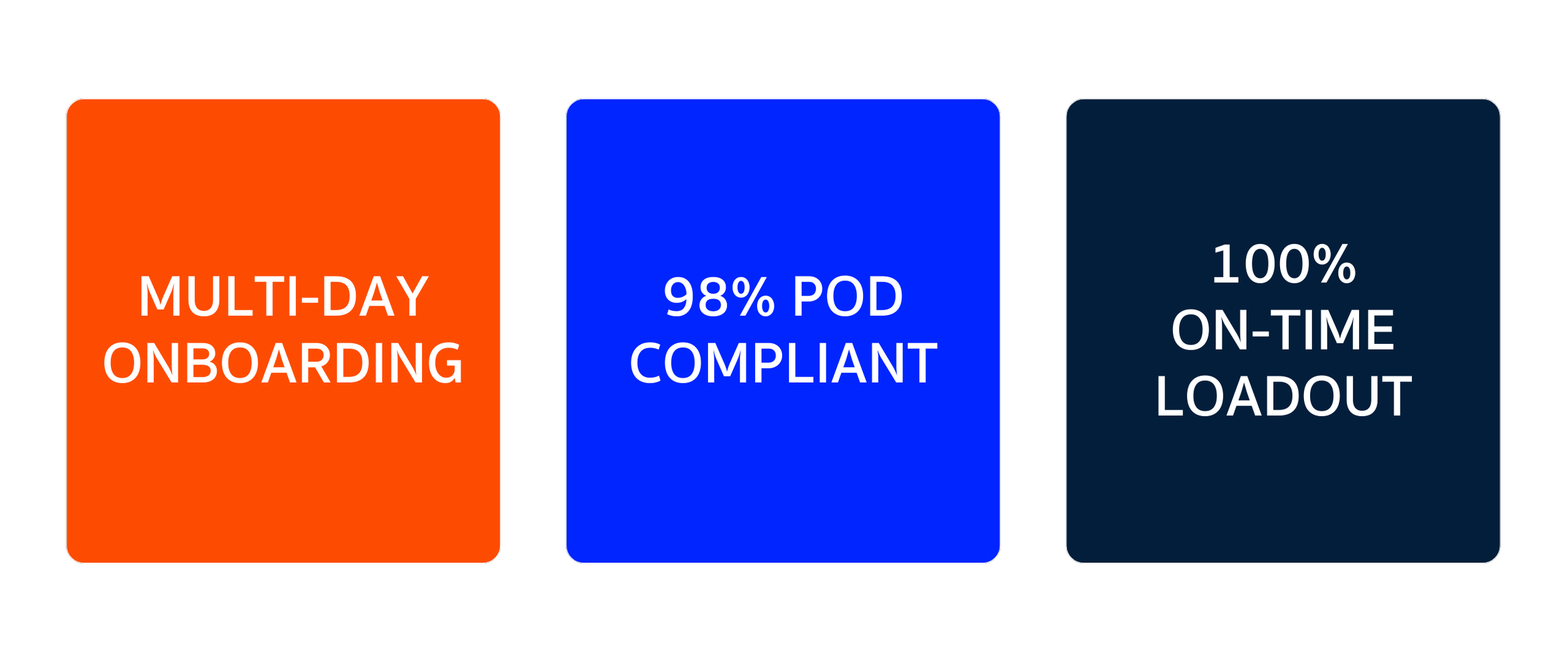
In the last-mile delivery industry, the pressure to move fast is relentless. But for a carrier specializing in oversized freight, appliances, mattresses, sporting equipment, and furniture, speed without preparation is a recipe for damaged goods, injured workers, and unhappy customers. Delivering a 400-pound refrigerator up three flights of stairs is not the same as dropping a package at a front door. That's why MyCourier invests in a structured, comprehensive onboarding program that doesn't just teach our delivery professionals what to do, but why it matters. Getting onboarding right is how we get every delivery right.
Here's an inside look at how we bring new team members up to speed and set them up for long-term success.
Day One Is About Culture, Not Cargo
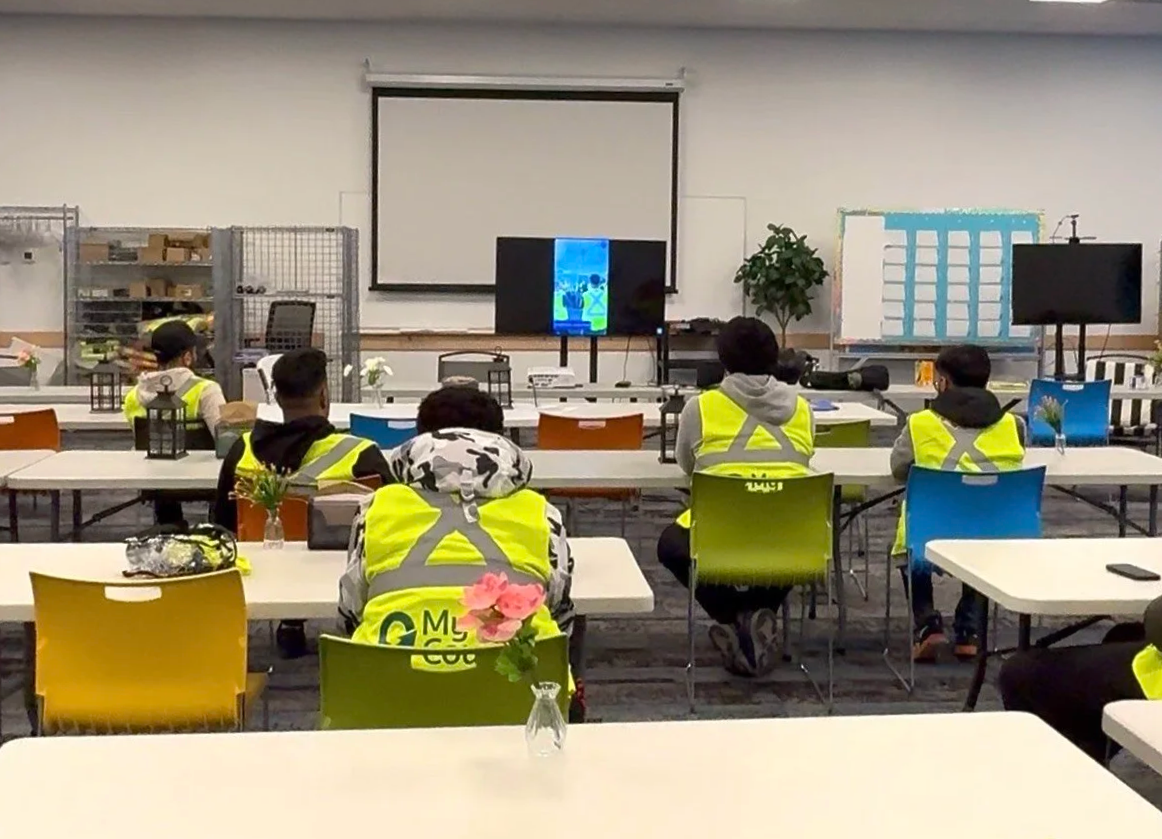
Before a new delivery professional ever touches a dolly, they spend their first day understanding who we are. We believe that operational excellence isn't just a set of procedures, it's a mindset rooted in accountability, pride for work well done, and customer support.
We also cover our core values: communicate proactively, handle with care, leave every space better than you found it, and never leave a customer without a solution. These are the behaviours we evaluate, celebrate, and build our entire service model around.
Product Knowledge and Why it Matters
Oversized deliveries are not homogeneous. A front-loading washer has different handling requirements than a California king mattress. A glass-top dining table has different vulnerability points than a treadmill or an upright freezer. We train our delivery professionals on each product category we serve.
This includes understanding the weight distribution of different appliance types, the proper orientation for mattresses during transit, how to protect upholstered furniture from doorframes and stairwells, and how to read manufacturer packaging cues that indicate fragile components inside. We use hands-on training with actual product units so new hires can see, touch, and practice before heading into the field.
Product knowledge also means understanding the monetary value if the item we deliver and the cost of damage claim to our clients, and the risk of damaging customer trust due to delivery delays. We frame damage prevention not as rule-following but as core to job success.
Safe Handling: Protecting People & Property
The most important asset we have is our delivery professionals' bodies. Oversized item delivery is physically demanding work, and improper technique doesn't just risk product damage, it risks serious injury. Our onboarding includes modules on ergonomics, team-lift protocols, and equipment use.
New hires are trained on how to properly assess a delivery environment before entering. Identifying and strategizing for narrow hallways, uneven surfaces, stairs without handrails, or tight elevator cabs teach our teams to plan the route before picking up the item. Two-person communication during team lifts is drilled until it becomes instinct: one person leads, one person follows, and both confirm before every move.
We also train extensively on equipment, appliance dollies, furniture sliders, moving straps, stair-climbing hand trucks, and protective blankets. Knowing when to use a piece of equipment (and when not to) is as important as knowing how to use it. We ensure every delivery professional is prepared on our full equipment kit before they go live.
Route Planning & Time Management
A standard parcel route might have 100 stops, while oversize delivery professionals might have 8 to 15, but each stop requires significantly more time, coordination and judgment. Onboarding includes dedicated training on how to read and prepare for a daily manifest, account for stop complexity, and intelligently build in buffer time.
We teach delivery professionals to review their stops prior to delivery whenever possible; identifying apartment buildings, elevator access requirements, or white-glove service notes that may require additional prep. We train them on how to communicate with dispatch when a stop is running over and how to set realistic expectations with customers via call-ahead protocols.
Time pressure is one of the leading drivers of damage and injury in our industry. We build a culture where our delivery professionals understand that a well-managed schedule is a safety tool, not just a performance metric.
Customer Experience & Service Standards
When a customer receives a 300-pound sectional sofa, the delivery team that shows up is the face of both our company and the retailer that sold it. Our onboarding includes customer-facing skills training that encompasses the moment of arrival to the moment of departure.
New hires learn how to greet customers professionally, how to protect flooring and walls throughout the delivery process, how to complete assembly or haul-away tasks efficiently. We also train on how to document damage that existed before delivery, protecting both the customer and our team from disputes. Every professional learns to use our delivery app to capture photos, obtain digital signatures, and flag any service exceptions in real time.
Mentorship, Ride-Alongs & Supervised Field Days
Classroom and warehouse training only go so far. The final phase of our onboarding program puts new hires into the field alongside experienced team members for supervised delivery days before they operate independently.
During this period, new delivery professionals shadow a senior driver, observe how real-world problem-solving happens, and gradually take on more responsibility under supervision. After the ride-along period, new hires debrief with their supervisor, reviewing what went well, what felt challenging to identify what support they need. This foundation becomes the benchmark for check-in touch points and performance tracking.
Ongoing Excellence: Beyond Onboarding Days
Onboarding is the beginning of a continuous development journey. Every delivery professional participates in daily safety briefings and quarterly skill refreshers.
We track individual metrics including on-time rates, damage rates, and customer satisfaction scores, and we share that data with our teams to celebrate growth and identify coaching opportunities early. High performers are given opportunities to cross-train on specialized services like white-glove assembly and haul-away programs.
Delivery professionals who understand how their individual performance connects to company-wide outcomes feel a deeper sense of accountability and ownership over quality. That ownership is what operational excellence actually looks like on the ground.
Conclusion
Oversized last-mile delivery is one of the most demanding, complex, and physically intensive jobs in the logistics industry. Done poorly, it damages products, injures workers, and erodes customer trust.
Our onboarding program is the clearest expression of what we believe: that when our delivery professionals succeed, our customers win, our retail partners win, and our business grows.
Our performance excellence isn't an accident; it's built, one well-trained professional at a time.