
The Hidden Costs of Choosing Low-Bidding Contractors Over Proven Capability
Why Specialized Carriers Beat Owner-Operators Contractors for Oversize Delivery
Independent owner-operators may seem like an appealing solution for retailers navigating last-mile delivery costs, offering a truck, some hustle and a willingness to undercut established carrier rates. For appliance, furniture, and mattress retailers under margin pressure, the math may seem simple: why pay more when an independent driver with their own truck can deliver the same refrigerator? But the math isn't simple. When it comes to delivering that $3,000 refrigerator or a king-size mattress safely up a flight of stairs, the model can fall dangerously short.
The difference between specialized carriers and independent owner-operators isn't simply about having a truck and the strength for heavy lifting; it is more importantly about infrastructure, accountability, and the total cost of getting expensive merchandise safely into customers' homes. The delivery experience remains the final, most memorable interaction customers have with a brand, and the cheaper option often results in expensive mistakes. Getting it wrong can turn a successful sale into a warranty claim, a negative review, or worse, a returned product.
Service Quality: Standards & Systems vs. Self-Reliance
Independent owner-operators often bring driving experience and a genuine work ethic. But individual competence doesn't equal consistent service quality across your entire delivery operation.
➢ Specialized carriers standardize operational costs
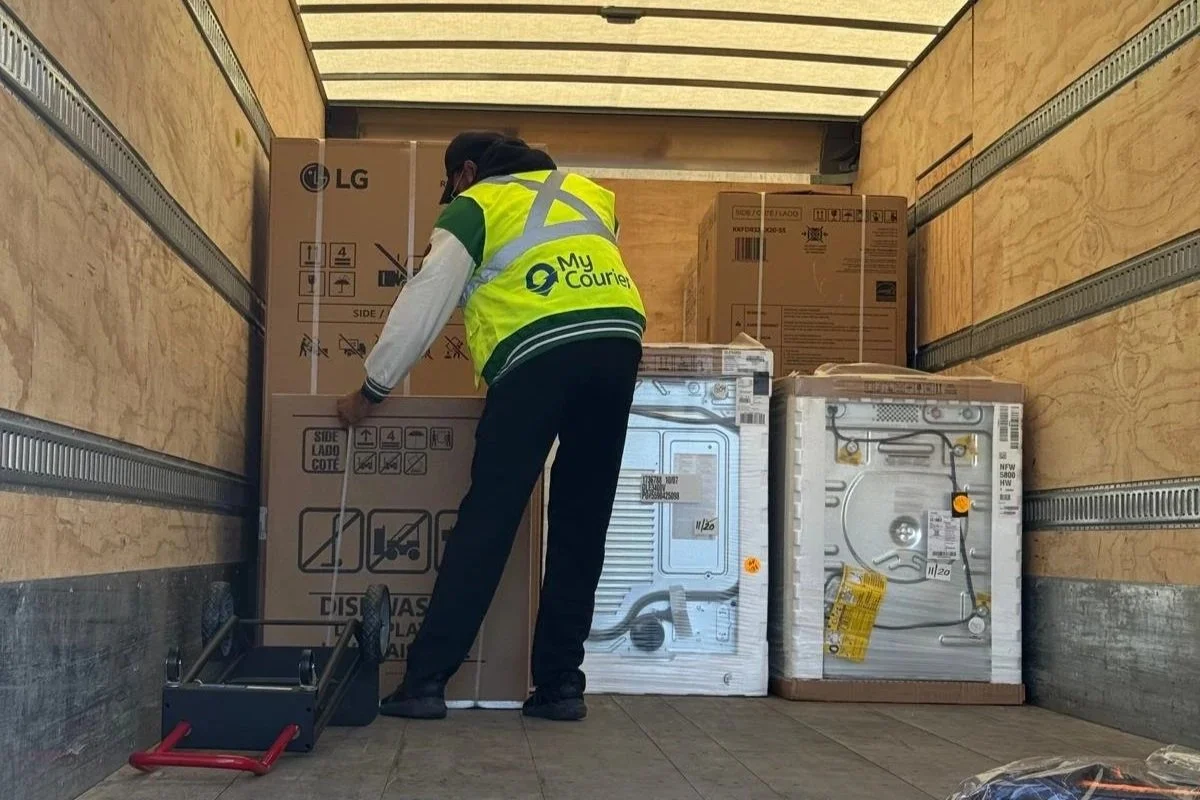
Every delivery team follows the same protocols for assessing entry points, protecting floors and doorways, handling different product types, and documenting conditions. They invest in ongoing training as products evolve; today's smart appliances require different handling than models from five years ago. When a new hire joins, they're paired with experienced teams until they meet quality standards.
Independent operators rely on their own judgment and methods developed over time. One operator might be meticulous about protecting hardwood floors; another might not think twice about dragging a dolly across them. One might excel at appliance installation; another might lack the tools or knowledge. It’s not a delivery service, it’s individual contractors with wildly varying capabilities that require your management, time and resources.
➢ Contractors’ “helper” solutions compound inconsistencies
Specialized carriers staff deliveries with trained, background-checked employees. Independent operators often grab whoever's available that day, a friend, a relative, or someone from a labour pool. These helpers may have never delivered furniture before. Your $4,000 sectional is getting handled by strangers without training, insurance, or accountability to anyone but the operator who hired them.
➢ Equipment and vehicle standards matter
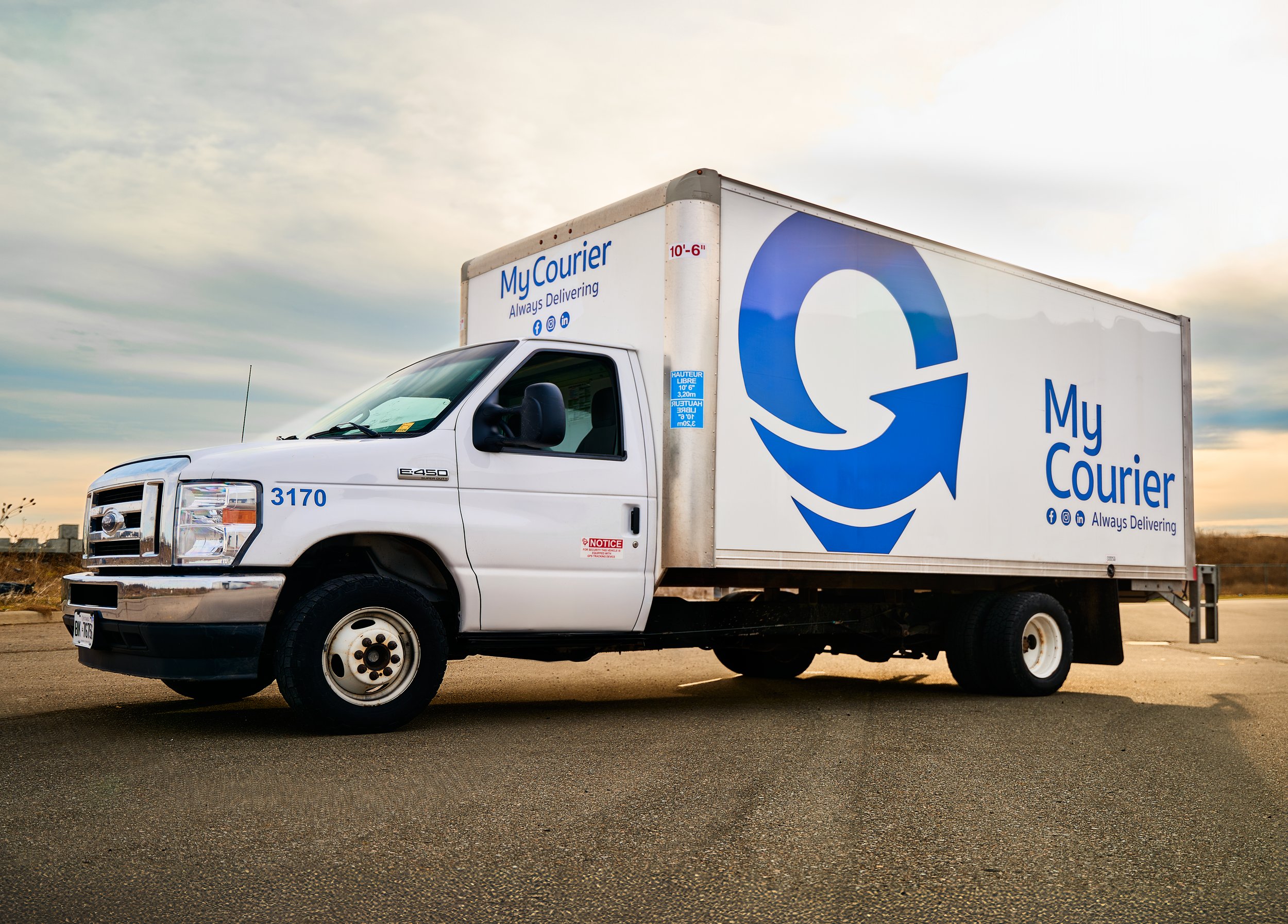
Specialized carriers maintain fleets with lift gates, proper tie-down systems, and vehicles sized appropriately for different delivery types. Independent operators work with whatever truck fits their budget and will strive to make it work to maximize their cost output. That might be a well-maintained vehicle with proper equipment, or it might be a 15-year-old truck lacking basic tools for safe delivery. The work to ensure a proper fleet of delivery vehicles gets downloaded to the retailer increase costs and operational infrastructure.
Reliability: Infrastructure vs. Independence
As businesses grow, the operational gap between specialized carriers and independent operators increases. The availibility of independent owner-operators can become their greatest liability when consistent scheduled delivery operations and accountable customer communications are paramount.
➢ Specialized carriers build capacity management into their business model
They staff for anticipated volume, maintain backup crews for absences, and have dispatchers coordinating logistics in real-time. When a truck breaks down or a driver calls in sick, they have systems to reroute deliveries and maintain schedules. There is accountability to committed delivery windows because they have the infrastructure to honor those commitments.
Independent operators are one-person businesses. When their truck breaks down, they're stuck until it's fixed. When they get sick, it’s up to retailers to scramble to backfill. When they get a more lucrative opportunity, they might cancel on you with minimal notice. They lack the backup systems and capacity redundancy that prevent individual problems from becoming customer service disasters.
➢ Scheduling coordination challenges escalate with volume
Managing a few independent operators might feel manageable. Managing numerous providers across multiple markets becomes a full-time logistics nightmare. Each operator has their own availability, their own service area preferences, their own communication style. Specialized carriers give you a single point of contact, unified scheduling systems, and consistent communication protocols.
➢ Specialized carriers scale with business growth
They have recruiting pipelines, training programs, fleet expansion capabilities, and multi-market infrastructure. A retailer is buying access to their operational sophistication and capital resources and when a new store opens or category expansions arise, they have access to reliable capacity to scale with business needs.
Independent operators max out at whatever they can personally deliver leaving a business to be recruit, vet, and onboard new operators during busy business expansions. Businesses are left to build a carrier operation without any of the infrastructure or controls that make operations functional.
Reputation: Brand Risk and Customer Experience
Customers don't distinguish between a delivery team and an independent contractor for hire. They see someone delivering on behalf of a retailer, and that person's professionalism, appearance, and conduct reflect directly on a brand.
➢ Meeting communications expectations
Customers expect real-time tracking, precise delivery windows, text notifications, and photo confirmation. Specialized carriers invest in these capabilities and have robust protocols for prepared timed arrivals, and pre- and post-communications that support a retailer’s customer service offering.
➢ Specialized carriers understand brand representation
Their teams wear uniforms, drive branded or clean vehicles, follow customer interaction protocols, and know they represent both their employer and the retail brand. They're trained in customer service, not just logistics. When something goes wrong, they're empowered to make service recovery decisions on the spot.
Independent operators often show up in personal vehicles or generic rental trucks. Some are professional; others appear unkempt and communicate poorly with customers. Retailers have minimal control over brand presentation when a premium retail experience is a customer expectation.
➢ The review economy amplifies inconsistency
Your online reputation suffers not from average performance but from worst-case scenarios. Specialized carriers' consistency means bad experiences are outliers. Limited operational controls on independent operators risk bad experiences occurring that may come to define an organization’s service reputation. For retailers, understanding that delivery is the moment of truth that defines customer satisfaction and drives retention, a robust, specialized carrier for oversized goods is the viable choice.
➢ White-glove service risks reputational liability
Specialized carriers can guarantee full-service delivery because they control the entire team and process. Independent operators might offer these services, but quality varies wildly, and when something goes wrong, retailers can find themselves mediating disputes between customers and contractors who see themselves as having fulfilled their obligation.
Hidden Cost: Cheap Quotes, Expensive Reality
Independent owner-operators typically bid below specialized carriers. That price gap looks compelling in spreadsheets, but evaporates when accounting for the total cost of delivery operations.
➢ Risking damage and return rates
Inconsistent handling procedures, inadequate equipment, undertrained helpers, and operators rushing to maximize their daily delivery count inevitably lead to increased damage of goods being delivered. Every damaged item represents not just replacement cost but also customer service time, redelivery logistics, and lost customer lifetime value.
➢ The scheduling reliability gap creates hidden costs
When independent operators miss delivery windows or cancel last-minute, retailers are left to reschedule, increasing operational costs, offer compensation to angry customers, and must manage the fallout of social media complaints. A specialized carrier is resourced to prevent missing commitments and will own the solution when those rare circumstances arise.
➢ Insurance and liability exposure shifts entirely to you
Specialized carriers carry comprehensive commercial insurance covering cargo, vehicles, workers' compensation, and general liability with limits appropriate for valuable merchandise. When damage occurs, you're dealing with an established business with insurance and a reputation to protect.
Independent operators typically carry minimal insurance, often just enough to meet basic legal requirements and may be underinsured relative to the value of products they're delivering. Some operators work without proper commercial insurance at all, exposing you to enormous liability if injuries occur during delivery.
Accountability: Partnerships vs. Transactions
The fundamental difference that supersedes all operational considerations is that a specialized carrier succeeds or fails based on their reputation and customer relationships. Independent owner-operators succeed or fail based on their ability to get enough delivery jobs at rates that keep their truck running.
➢ Specialized carriers view you as a strategic account
They assign account managers, review performance metrics quarterly, invest in understanding your specific needs, and make operational adjustments to serve you better. When problems arise, they have management structures incentivized to resolve issues and maintain the relationship. They're building a business that depends on your renewal and referrals.
Independent operators view you as a revenue source among many. Most work for multiple retailers, brokers, and third-party logistics providers simultaneously. They're optimizing for their own daily economics, which might mean prioritizing someone else's lucrative rush delivery over another scheduled appointment. When disputes arise, a retailer is negotiating with individuals who may simply walk away rather than absorb costs or admit fault.
➢ Quality feedback loops break down with independents
A specialized carrier tracks performance data, conducts quality audits, and has processes for coaching and improvement. Poor performers get additional training or face employment consequences. Clients have leverage and recourse.
With independent operators, quality feedback often goes nowhere. As an independent contractor clients have limited ability to coach, retrain, or discipline that is built in with a larger carrier operation. Recourse mostly exists in ceasing to use the contractors service which leads to a continuing cycle sourcing and staffing delivery solutions.
Making the Strategic Choice
You can't build a premium brand on discount infrastructure. Your customers' expensive purchases deserve professional delivery by an organization with the resources, systems, and accountability to execute consistently. MyCourier offers last-mile delivery solutions that calculate the cost savings of consistency, quality, and reliability into your bottom line.
If you are a retailer delivering oversized items and need to create operational consistency and value by delivering on your brand promise at scale, consider MyCourier as your last-mile delivery partner. MyCourier offers you a reputable proven partner for your Big & Bulky deliveries with accountability to your clients and your business goals.